
Protein, protein, protein: Believe it or not, all proteins are NOT created equal! Since this subject is pretty extensive, we have broken this article up into three parts. Part I addresses the different qualities and benefits of protein; Part II addresses Soy Protein specifically (its controversial shortfalls and benefits); and Part III addresses the best time to use each protein source.
Ask any bodybuilder about protein, and they will tell you that "Whey is King." Unfortunately, that is about as far as most people's knowledge about protein goes, and most athletes and fitness enthusiasts, have no idea why whey is the best source of protein or that there are differing qualities and benefits from different types of whey protein.
The major players in the field of protein are (in ascending order of quality) Soy Protein, Casein, Whey Protein Concentrates (WPC), Whey Protein Isolates (WPI-which can come from ion exchange process or microfiltration), and Hydrolyzed Whey Protein (HWP).
Being that soy is the only vegetable protein mentioned, and since it is quite controversial, we will discuss it separately in Part II. We will start by defining casein and the differing types of whey.
So, What is the Difference?
There are differing qualities of proteins that can be derived from milk; these are casein and whey. Whey is the liquid left over during the cheese making process after the casein in milk is converted into curds. The lowest quality and least expensive form of protein is Caseinate, and can be found in the form of Calcium Caseinate, as well as many other variations such as Potassium Caesinate, etc. As the name implies, it comes from "casein" before it is converted into curds.
A 1997 study titled "Slow and Fast Dietary Proteins Differently Modulate Postprandial Protein Accretion" published in the National Academy of Sciences journal indicated casein may be anticatabolic because it prevents protein breakdown. Because of its larger molecules, casein is digested slower than whey protein and maintains elevated amino acid levels in the blood for a longer period of time.
There are many benefits in maintaining elevated amino acid levels in blood as this has been shown to diminish muscle breakdown (catabolism) as well as having an anabolic effect. If your body is trying to repair muscle tissue, it needs amino acids in the bloodstream to be able to do so. It would be hard for a builder to build you a house with no materials; the same holds true for muscle repair and growth: they cannot take place without the presence of adequate amounts of amino acids in our bloodstream.
Although casein is the lowest priced and least refined of the proteins derived from milk, it is a bit higher in glutamine, tyrosine, threonine, and arginine content than whey protein. That is why a good refined whey protein supplement (such as an Isolate, or Hydrolysate) will usually have these amino acids added to it. Casein also moves slower through the digestive tract, which may allow for better absorption of amino acids and growth factors as well as making it a better meal replacement protein due to its longer and slower transit time (which translates to longer satiety or a feeling of being full). By using casein as a meal replacement protein, we are less likely to experience hunger than if we use a protein supplement with a faster gastric emptying time (one that leaves the stomach more quickly).

The benefit of slower digestion and transit time is that it is thought that slower transit time may allow for a higher absorption of certain components that may not be absorbed from proteins that go through the proximal bowel at a faster rate. Therefore, casein is the best choice to use when our schedule does not allow us to have normal food. Still, normal food would be more beneficial as it takes much longer to leave the stomach and maintains our blood glucose levels better controlled than a "liquid lunch" since the "liquid lunch" does not require much work from the stomach in the form of digestion.
High quality food should be our first choice for breakfast, lunch, and dinner. If your schedule does not allow the "luxury" of setting aside enough time to prepare or purchase an adequate meal, casein is the best choice for a meal replacement if long term satiety is the goal. Possibly the biggest benefit of using a high quality casein protein supplement is its potential in functional properties being researched in hospitalized patients, infants and animals, such as immune enhancing and antiviral properties.
Whey protein concentrate (WPC) is the next step up from caseinate and it comes from the liquid left over during the cheese making process (whey). In its raw form whey contains lactose, fat, salt, and other proteins. Originally all whey protein was made from whey sources left over from the manufacturing of cheese. If supplement manufacturers use this lower quality source of raw materials, harsh acids have been used to separate whey from casein resulting in a lower quality whey protein supplement.
Now there are companies that make whey and casein specifically for supplement manufacturers by extracting it from whole milk for the sole purpose of creating higher quality supplements, making the quality of whey protein today superior to the ones previously available.
There are many different processes designed to separate or filter the valuable fractions of protein found in whey. These range from microfiltration, ultrafiltration, nanofiltration, reverse osmosis filtration, dynamic membrane filtration, ion exchange, as well as many others that are being tested to yield the best product that contains as many of the beneficial health promoting portions of whey while leaving the impurities out.
These beneficial fractions include alpha-lactalbumin, beta-lactoglobulin, glycomacropeptides (GMP), lactoferrin, lactoperoxidase, immunoglobulins, lysozymes, and many more being studied to determine their role in health benefits. Whey protein derived from ultrafiltration is referred to as Whey Protein Concentrate (WPC). The ultrafiltration process does not remove any fat or denatured protein from the whey. For the WPC to be considered high quality, special processing prior to the ultrafiltration is necessary to remove the majority of the fat present in whey as well as separating out denatured protein and casein particles left over from the cheese making process if the raw material (whey) was acquired secondary to the processing of cheese.
WPC's can yield a product ranging from 20% up to 85% protein. They could be 20% protein and 85% fat and lactose, which is usually the case when not specified in a product. If the concentrate consists mostly of protein, it usually states so in the label; if it consists mostly of fat and lactose, your intestines will let you know with gas and bloating.
The way to tell if your WPC is high quality (highest percent protein as opposed to lactose and fat) is by looking at the label and calculating the percentage of protein compared to the total weight of the serving size. As an example, if your protein serving size is 23.5g and it yields 20g of protein per serving, the easy math is 20 ÷ 23.5 = .8510 x 100 = 85.10% which means your protein serving contains 85.10% protein.
Keep in mind that flavoring agents, sweeteners, gums, and even fiber in some supplements take up some of the volume of the total serving weight. This formula is to be used only with WPC supplements or any other supplement that consists of only protein as a way of determining the percentage yield of protein per serving. This formula is NOT to be used with Meal Replacement Powders (MRP's) as these contain fat and carbohydrates in "meal-like-quantities" and would show the protein yield to be very low as it is being compared to the entire serving.

Because of the many benefits of the differing types of protein that we will cover in this article, most protein supplement manufacturers "blend" or combine proteins for specific purposes ranging from slow gastric emptying time for meal replacement purposes, or quick emptying time for post workout recovery. It is these different blends that can also make a product superior or low quality, depending on the differing qualities and quantities of the proteins used in their blends. The protein yield formula described above CAN and SHOULD be used in single source as well as multi source proteins as long as they DO NOT contain a considerable amount of carbohydrates, fats, fiber, creatine, etc., as these other components will cause the formula to yield a lower and less desired protein per serving value or number. High quality supplements will use WPC with at least 80% protein content.
If the manufacturer is trying to reduce cost, they will use a product yielding a lower percentage of protein, meaning that more fat and lactose will be found in the product. This is easy to determine even without doing the math as these products tend to give you gas and cause bloating due to the lactose and fat content.
Whey Protein Isolates (WPI) are at a higher level than WPCs. Once we have whey protein concentrate (WPC) if we want a higher quality product we move on to making Whey Protein Isolates (WPI). This is a process by which WPC is purified by "isolating" the highly soluble protein found in whey from the fat and lactose leaving less than 1% lactose and less than 2% of the fat found in the WPC, and by completely removing the denatured protein, salt, etc. As noted above, there are many processes by which WPI is produced, yet they fall under either Microfiltration or Ion Exchange. These processes are very different in temperature, pressure, etc. and therefore yield very different end products.
Once the fat, denatured protein and casein particles have been removed, the proteins in whey are separated from the liquid. The ultrafiltration and microfiltration processes use a microscopic filter or membrane to separate the whey proteins from the lactose, salt, and water in the whey causing the protein to become more concentrated and purified, while the ion exchange process separates the proteins out based upon their electrical charge.
The original ion exchange or "column method" consists of pumping whey through a column impregnated with a special resin that has been chemically treated to have a surface electrical or "ionic charge." This causes different ions from the protein to bond or stick to the resin and the remaining impurities flow through the column and are discarded.
The main problem with ion exchange is that some of the beneficial fractions (alpha-lactalbumin, beta-lactoglobulin, glycomacropeptides [GMP], lactoferrin, lactoperoxidase, immunoglobulins, lysozymes, etc) will not bind to resin and will be discarded as they also flow through the column. The column is then rinsed with water containing chemical buffers that change the surface charge of the resin causing the release of the amino acids and protein into the buffered solution.
The protein released into the buffered solution must now undergo another step to remove most of the buffer solution. This additional step is another ultrafiltration system which unfortunately does not remove all of the sodium from the buffer solution.
Yet another problem associated with Ion Exchange whey protein isolate includes high sodium content in the final product, as well as up to 10% denatured protein caused by the chemical reaction between the resin the protein was bound to and the buffer used to release it, and the loss of GMP's and other immune system boosters.
The benefits of the Ion Exchange process is that it is able to remove nearly all the fat and lactose creating a product that is up to 90% pure. A newer method of separating molecules is called a "stirred bead reactor system" and it usually does not cause damage to the active compounds found in whey protein.

The Ion Exchange process was the first process developed to produce whey protein isolates from Whey Protein Concentrate. Because ion exchange was the only way to produce WPI early on, it was then considered to be the highest quality isolate. After the development of microfiltration, it was found that the whey protein isolates produced via microfiltration had a much higher nutritional profile than that of isolates created via the ion exchange method. There are many reasons why WPI created via microfiltration is a superior product. These reasons range from lower sodium content due to elimination of the use of solvents, to not having chemically denatured protein, and most notably, reclamation of immune boosting fractions as compared to the ion exchange method which loses them.
Microfiltration WPI, one of the highest quality protein supplements, is produced by starting with high quality milk sourced WPC and filtering it through special membranes under low temperature and low pressure. These special membranes allow only soluble protein to pass through its microscopic pores leaving salt, fat, lactose and denatured proteins behind. Although this process is started with a high quality WPC, because it is a WPC it still is turbid due to its salt, fat, lactose, and non soluble protein content.
Once these unwanted particles are isolated from the high quality protein, a crystal clear liquid is all that is left over. The next step is to dry this crystal clear liquid to create a powder, and here is one of the steps where manufacturers can go astray.
The only way to create a superior product is to let the liquid dry into a powder by using a low temperature dryer. A low temperature dryer is a very expensive and slow way of creating a powder from the crystalline liquid. Many manufacturers opt to use a high temperature dryer as it is much faster and cheaper to use than a low temperature one.
It does not take a degree in chemistry to realize that heat denatures (breaks down) protein. The whole idea of running the WPC through a membrane was in part to remove denatured protein, so why add a step that takes your product backwards? High quality WPI will only be dried into a powder using low temperature spray dryers as the high temperature dryers will denature the protein and yield a much lower quality product.
Whey Protein Hydrolysates (WPH), or hydrolyzed whey protein, is further processing of whey isolate by breaking down the long protein chains into smaller portions or peptides. To "hydrolyze" something means to break it down into smaller particles (usually by adding water). The higher the degree or percentage of hydrolysis, the more broken down the whey protein isolate (smaller size), and the faster the absorption. Labeling laws allow manufacturers to call a product "hydrolyzed whey" when it may contain 1/10th of 1% hydrolyzation. The key is to find out what percentage of hydrolyzation the product consists of.
The highest quality hydrolysates will be 100% Whey Protein Hydrolysates which have a bitter taste by definition and therefore are not used in high amounts. Along with the bitter taste, comes a bitter high price as it is the highest quality and most expensive protein available today. Some manufacturers have been able to produce a 100% hydrolysate that does not have a bitter taste, yet is rather expensive compared to other protein supplements.
In the duodenum or proximal bowel where protein is absorbed in the human body, dipeptides and tripeptides (protein "chains" consisting of two and three amino acids) enter freely into intestinal cells to be absorbed into the bloodstream.
This is why a hydrolysate is the best type of protein to use post workout as we want the amino acids to enter our bloodstream and be delivered to muscle cells as quickly as possible so that repair and growth can start right away. Due to the high cost of 100% hydrolyzed whey, a blend consisting of whey isolate and hydrolyzed whey would be optimal for post workout use.
Many manufacturers like to also include Caesinate and WPC in their post workout protein blends as a means of addressing both ends of the spectrum: fast increase of amino acids into the bloodstream by using WPI and HWP, and extended elevated amino acid levels by using Caseinate along with WPC. I personally prefer using the HWP as I want the amino acids to enter my muscle cells right away.
Stay tuned for Part II, where I will move on and discuss Soy Proteins - The Good, The Bad and The Ugly.


 has partnered with Microsoft and may others over the years and now Emerge.MD is using the platform for telehealth. It can be used to engage the patient, other doctors and so on. The video below is a statement from a hospital’s success with the program.
  People are absolutely hating this complexity that has been created just to go get care. Look at the link below, some hospitals can’t eve get the ER doctor groups and the hospital itself with the same insurers, so people get screwed again on balance bills.
  don’t like this as consumers as the data gets flawed and removes our dignity. 60 Minutes has a good report on Income Tax Fraud and when companies are buying data, where is the data coming from? This is turning the story around a bit but how much gets recycled? We don’t know.
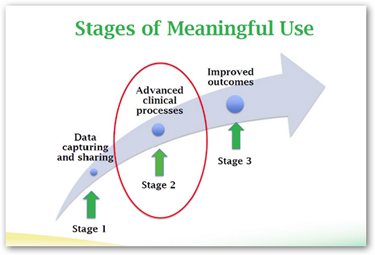 not do a risk assessment for their Meaningful Use Stage one incentives. There could be more of these. They were one of the very early adapters and are planning to write an appeal.
  a need but where and how is changing a bit. People who are injured in crashes and accidents will always be there to need blood. They are doing more with less and you can read in several areas they have laid off staff. They have to have plenty of vendors lined up for a blood drive and they need a minimum of 25 people for a blood drive as the cost is around $4000 for each drive.
  it’s a fork of Firefox that allows form anonymous browsing and actually the only way the Evolution Market can be browsed. Tor is a legal browser and government agencies, reporters, etc. all use it and it’s just like anything else out there used for the good or the bad.
  Internet. Rather, visitors can only browse the site using Tor, software that helps users disguise their identity by bouncing their traffic between different servers, and by encrypting that traffic at every hop along the way.


